Post Summary
What does this article explain about menstrual cycle symptoms?
It explains why energy, mood, appetite, and skin change on a predictable weekly basis throughout the menstrual cycle. Those changes track four hormonal phases, menstrual, follicular, ovulatory, and luteal, each with its own typical set of physical and emotional symptoms driven by shifting levels of estrogen and progesterone.
What are the four phases of the menstrual cycle and their approximate timing?
The menstrual phase runs roughly days 1 to 5, the follicular phase roughly days 6 to 13, the ovulatory phase falls around day 14, and the luteal phase runs roughly days 15 to 28. These ranges are averages, since cycle length varies from person to person and month to month.
What symptoms are typical of each phase?
The menstrual phase brings fatigue and cramping from low hormone levels. The follicular phase brings rising energy, focus, and mood as estrogen climbs. The ovulatory phase can bring a brief, one-sided pelvic twinge called mittelschmerz along with heightened energy and libido. The luteal phase brings PMS symptoms such as bloating, breast tenderness, and mood swings as progesterone falls.
Why do hormone changes cause PMS and anxiety before your period?
In the luteal phase, progesterone drops sharply before your period starts. That drop affects GABA, a calming neurotransmitter in the brain, which can produce real anxiety and mood swings even when nothing else in your life has changed. Severe versions of these symptoms can point to premenstrual dysphoric disorder (PMDD) rather than typical PMS.
How can tracking your cycle help you understand your symptoms?
Tracking energy, mood, and physical symptoms throughout your cycle helps you build a personal baseline of what is normal for you. That baseline makes it easier to notice when a symptom is more severe, lasts longer, or doesn’t fit your usual pattern, which is useful information for both you and your provider.
When should you talk to a doctor about your cycle symptoms?
A conversation with your provider is worth having when pain or bleeding disrupts daily life, symptoms don’t ease with your cycle or worsen over time, or you suspect PMDD rather than typical PMS. None of these requires an emergency visit, just a conversation.
•••••
Why do I feel like a different person every week?
One week, you feel unstoppable. Next, you can barely get through 3 p.m. without a nap. Your skin clears up, then breaks out again. Your appetite doubles, then disappears completely. If you’ve ever asked yourself why you feel like a different person every week, you are not overthinking it, and you are not alone.
Those shifts are not random. Your body moves through four distinct phases each cycle, and each phase comes with its own predictable set of menstrual cycle symptoms, energy, mood, appetite, and even skin, all rising and falling on a schedule. Once you know which phase you’re in, those swings stop feeling confusing and start making sense.
Here is what is actually happening in your body, phase by phase.
The Four Phases, at a Glance
Every menstrual cycle moves through four phases, one after another. You don’t need every hormonal detail to spot the pattern, just the quick version of what happens in each one.
The menstrual phase comes first, roughly days 1 through 5, when your period starts, and hormone levels are at their lowest. The follicular phase follows, roughly days 6 through 13, as estrogen rises and your energy tends to follow. Around day 14, most cycles enter the ovulatory phase, a short window centered on the release of an egg. Then the luteal phase takes over for the back half of the cycle, roughly days 15 through 28, as progesterone rises and then falls again before your period starts, and the whole cycle starts over.
Those day ranges are averages, not rules. Cycle length varies from person to person and even month to month. For the full picture of what’s happening hormonally in each phase, and why, our guide to the phases of the menstrual cycle breaks it down step by step. Below is what each phase typically feels like.
Menstrual Phase: Low Energy Isn’t in Your Head (days 1 to 5)
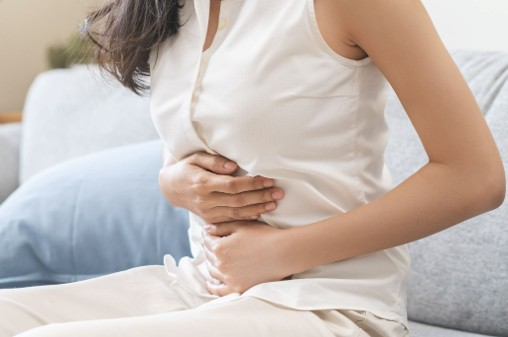
If you’ve ever canceled plans on day two of your period because you simply could not make yourself get off the couch, that fatigue is real. During the menstrual phase, roughly days 1 through 5, estrogen and progesterone both drop to their lowest points of the cycle. Your body is shedding the uterine lining it built up the month before, and that hormonal low is exactly what drives period fatigue, cramping, and a general lack of motivation. None of that means you are lazy or falling behind. It means your hormones are doing what they are supposed to do.
Cramping happens because your uterus contracts to help shed that lining, and those same contractions can leave you drained well beyond the pelvic area. Flow, texture, and even vaginal discharge often shift during this phase, too. If you want a closer look at what those changes typically mean, our breakdown of what your discharge is telling you walks through what’s normal.
The best response to low-energy days is usually the simplest one: rest when you can, stay hydrated, and treat this phase as a signal to slow down rather than push through. Your body will move into the next phase on its own timeline.
Follicular Phase: Why You Suddenly Have More Drive (days 6 to 13)
Somewhere around day six, most people notice a shift. The fog lifts, energy comes back, and tasks that felt impossible a few days earlier suddenly feel manageable again. This is the follicular phase, driven by estrogen, which begins to rise steadily as your body prepares an egg for release later in the cycle.
That rising estrogen shows up in more than just energy after your period. Focus tends to sharpen, mood typically lifts, and many people notice clearer skin as inflammation eases. This is often the phase people describe as feeling like themselves again, and there is a real hormonal reason for that. Estrogen supports serotonin production, the brain chemical tied to mood and motivation, so that lift is real, not something you’re imagining.
Because energy and focus tend to peak here, this phase is a good time to tackle demanding projects, start a new workout routine, or handle conversations you’ve been putting off. You are working with your hormones instead of against them. Pay attention to how you feel this week. It can become your baseline for what “good” feels like, making it easier to notice when something is off later in the cycle.
Ovulatory Phase: The Mid-Cycle Peak (around day 14)
Right around the midpoint of your cycle, estrogen reaches its highest point and triggers a surge in luteinizing hormone (LH), the signal that tells your ovary to release an egg. Many people feel the effects of that hormonal peak directly: energy climbs, libido often rises, and some notice they feel more social or confident than usual.
Not everyone gets through this phase symptom-free. A sharp, one-sided twinge low in your pelvis is common enough to have its own name, mittelschmerz, German for “middle pain,” and it usually shows up on whichever side released the egg that month. This kind of mid-cycle pain is typically brief and mild, lasting anywhere from a few minutes to a couple of days. You may also notice cervical mucus becoming clearer and more slippery, similar to raw egg white, which is a normal and expected ovulation symptom.
This window also marks peak fertility. If pregnancy is something you’re trying for or trying to avoid, timing awareness around ovulation is worth understanding on its own, and your provider can walk you through what that looks like for your body specifically.
Luteal Phase: Where PMS Actually Comes From (days 15 to 28)
After ovulation, progesterone takes over. It rises through the first half of this phase, helping maintain the uterine lining in case of pregnancy, then drops sharply in the final days before your period starts if pregnancy doesn’t happen. That drop, not the phase itself, triggers luteal-phase mood swings and most of what people call PMS.
Common luteal phase symptoms include:
- Mood swings or increased irritability
- Bloating and fluid retention
- Breast tenderness
- Food cravings, especially for salt or sugar
- Trouble sleeping
- Anxiety or a noticeably shorter fuse
If you have ever wondered, ” Why am I anxious before my period? The answer is largely hormonal. Falling progesterone affects GABA, a calming neurotransmitter in your brain, and that shift can produce real anxiety even when nothing in your life has changed. Hormonal anxiety shows up at more than one point in your cycle, so if this pattern sounds familiar, it’s worth understanding the fuller picture.
Most PMS symptoms are uncomfortable but manageable, and they ease once your period starts. For some people, though, the emotional symptoms go further: intense irritability, hopelessness, or anxiety severe enough to disrupt work, relationships, or daily functioning. That level of severity has a name: premenstrual dysphoric disorder (PMDD), and it is treatable. The distinction matters because PMDD generally does not respond to the same coping strategies as typical PMS, and it deserves a conversation with your provider rather than an attempt to push through it alone. Tracking which symptoms show up, and how severe they get, gives your provider a clearer picture than a general description of feeling bad.
Why Tracking Your Cycle Actually Helps
Once you know what each phase typically feels like, cycle tracking becomes less about logging data and more about noticing your own pattern. A simple habit of tracking menstrual cycle symptoms such as energy, mood, and pain each day, whether in an app or a paper calendar, builds a baseline for what is normal for you specifically. That baseline is what makes it possible to spot something that is not, whether that means a symptom lasting longer than usual, being more severe than usual, or a new one that does not fit the pattern at all.
This is not about obsessing over every twinge. It’s about paying attention on your own terms, which is its own form of self-advocacy. If you want a refresher on what each phase involves before you start tracking, our detailed look at the four phases is a good place to check your notes against.
When It’s Worth Talking to Your Provider
Most cycle symptoms are uncomfortable, not urgent, and they resolve on their own as you move into the next phase. A few patterns are worth bringing to your provider rather than waiting it out. Pain or bleeding heavy enough to interfere with work, sleep, or daily plans is one. Symptoms that don’t ease up once your period starts, or that seem to be getting worse cycle after cycle, are another. So is anything that feels like PMDD rather than typical PMS.
None of these requires an emergency room visit. They are simply signs that a conversation with your provider would be worth more than guessing on your own. If you are wondering when to see a gynecologist about PMS, the honest answer is whenever your symptoms stop feeling manageable to you, not only when something feels dire. Your provider would rather hear about it early than have you manage it alone for months.
Quick Answers
Why do I feel different every week of my cycle?
Your hormone levels shift throughout the four phases — menstrual, follicular, ovulatory, and luteal — and each shift affects your energy, mood, and appetite. Low estrogen and progesterone early in the cycle bring fatigue, rising estrogen through the follicular phase brings that feeling of focus and drive, and the progesterone drop before your period brings most PMS symptoms.
Is it normal to have mood swings before your period?
Yes. Mood swings in the days before your period are one of the most common luteal phase symptoms, driven by falling progesterone and its effect on GABA, a calming brain chemical. If those swings become severe enough to disrupt daily life, that may point to PMDD rather than typical PMS, which is worth discussing with your provider.
What week of your cycle do you usually feel best?
Most people feel their best during the follicular phase, roughly days 6 through 13, when rising estrogen boosts energy, focus, and mood. This is often the week people describe as feeling most like themselves.
Can hormone changes really cause anxiety before your period?
Yes. Falling progesterone in the luteal phase affects GABA levels in the brain, and that shift can produce real anxiety even when nothing else in your life has changed. It’s a hormonal response, not a sign that something is wrong with you.
How do I know if my cycle symptoms are normal or something more?
Typical symptoms ease once your period starts and stay roughly consistent from month to month. Symptoms that disrupt work or relationships, get worse over time, or don’t ease with your cycle are worth bringing to your provider rather than managing alone.
You Know Your Body Best, and We’re Here to Help You Trust It
Understanding your cycle doesn’t mean you need to figure out every symptom on your own. Raleigh OB/GYN Centre has been caring for patients across the Triangle, at our Raleigh, Wakefield, and Clayton locations for more than fifty years, including many families we now see across multiple generations. Whether your question is about a single symptom or your whole cycle, our providers are here to listen and help you make sense of what your body is telling you. Schedule an appointment whenever it feels right for you.